
Understanding the Costs of Building a Custom Home
Building a custom home can be an overwhelming journey, especially when trying to understand the costs involved. Many home buyers underestimate the financial commitment required, including factors like supply chain issues, local building codes, and mortgage options. This article will cover key aspects such as the average costs of custom home construction in your area, a detailed breakdown of expenses, and various financing avenues. By engaging with this content, readers will gain valuable insights to navigate their budget effectively and avoid common pitfalls in the custom home building process.
Key Takeaways
Understanding the factors affecting custom home costs is essential for effective budgeting
Material choices significantly influence the overall expenses and durability of the home
Labor costs fluctuate based on local demand and can impact the total budget
Planning for potential upgrades early can help create a realistic financial plan
Researching local market trends aids in making informed decisions about construction expenses
Understanding the Costs of Building a Custom Home
The costs associated with custom home building can vary significantly based on a variety of factors. Key considerations include the design choices, the roof style, site preparation, and the selected general contractor, tenbearslc.com. Estimating a custom home budget involves understanding these elements, alongside regional cost averages, which can involve various trades such as electricians. This overview will help home buyers gain deeper insight into what to expect financially.
Key Factors Influencing Custom Home Costs
The costs involved in building custom homes can be heavily impacted by several key factors, including the choice of materials for the floor, tile, and overall construction. High-quality materials increase the budget but also enhance durability and aesthetics. Additionally, decisions related to landscaping can add further expenses, impacting the total cost of the project:

Choice of construction materials and finishes
Design complexity and floor plan
Land and site preparation costs
Labor costs and contractor selection
Landscaping and outdoor features
How to Estimate Your Custom Home Budget
Estimating a budget for a custom home involves breaking down various expenses, including labor, materials, and site preparation. It is crucial to consider the demand for construction in the area, as this influences labor costs significantly. For instance, if the area is experiencing growth, general contractors may charge more due to higher demand, impacting the overall budget. Additionally, choices such as using asphalt shingle roofing or high-quality framing materials can significantly affect the final figures. Homebuyers should account for the cost per acre for land, alongside additional expenses related to home improvement projects post-construction, to create a comprehensive financial plan.
Overview of Average Costs by Region
When building a custom home, average costs can differ significantly across various regions. For example, areas where granite and brick are popular in-home construction tend to face higher material fees. Additionally, the inclusion of energy-efficient systems, such as a heat pump, can also impact the overall price based on local demand and installation costs:

Granite countertops and finishes may raise expenses in affluent areas.
Brick exteriors might carry a premium in regions where they are favored.
Installation of heat pumps varies in price depending on local contractors and efficiency requirements.
What Is the Average Cost to Build a Custom Home in My Area
Analyzing local market trends reveals significant variations in custom home costs influenced by geographical location. Custom home prices in major cities often differ from those in rural areas, largely due to local wage rates and demand. Additionally, comparing costs of various home styles, including considerations such as floor plan and lighting choices, can provide valuable insights for prospective home builders.
Analyzing Local Market Trends for Custom Home Prices
In assessing local market trends for custom home prices, several critical factors come into play, such as drainage systems, local infrastructure, and zoning regulations. These elements directly influence the average costs of construction in different areas. Communities that take pride in their development will often invest in quality infrastructure and necessary amenities, which can lead to higher overall expenses for home buyers but also offer increased value in the long run.
Custom Home Costs in Major Cities vs. Rural Areas
The cost of building a custom home can vary widely between major cities and rural areas. In urban settings, higher demand for home construction and premium finish options, such as granite countertops and vinyl siding, often lead to elevated prices. Conversely, rural locations might present a more budget-friendly option, particularly for elements like carpet and bathroom fixtures; however, the trade-off may include limited access to reliable contractors and specialized materials.

Urban areas typically have higher labor costs due to demand.
Rural areas may offer lower overall expenses, but with potential challenges in obtaining specialized materials.
Finish options and construction details can significantly influence the final price in both settings.
Comparing Costs of Different Home Styles and Designs
When comparing costs of different home styles and designs, it is essential to recognize that architectural choices significantly affect the overall budget. For instance, a Cape Cod home, known for its steep roof and dormer windows, may require unique cabinetry and structural support for its attic spaces, which can add to the expenses. Additionally, factors such as basement development and soil conditions can influence foundation requirements, impacting construction costs further while ensuring that the home achieves a reliable warranty for long-term protection.
Breakdown of Expenses for Building a Custom Home
Understanding the costs of building a custom home requires thorough consideration of several key components. Land acquisition costs play a critical role, impacting initial budgeting. Construction expenses and labor costs involve foundation work, including concrete placement, which can vary based on complexity. Permitting fees also influence the total budget, alongside additional costs for custom features and upgrades that enhance the home's appeal.
Each topic highlights essential insights for home buyers, providing a comprehensive view of expected expenses when planning a custom build. Consulting with a real estate agent can further clarify these factors, ensuring informed decisions throughout the construction process.
Land Acquisition Costs and Considerations
Land acquisition costs are a significant part of the budget when building a custom home. Buyers must consider not only the price per square foot for the property but also additional expenses such as zoning fees and land preparation for construction. For example, purchasing land that requires extensive renovation or changes to include utilities can lead to higher costs, impacting the overall budget. Furthermore, factors like the choice of siding and hardwood flooring can affect design decisions and associated expenses, emphasizing the importance of thorough planning in the initial stages of the project.
Construction Expenses and Labor Costs
Construction expenses and labor costs represent a significant portion of the total budget when building a custom home. Homebuyers should be aware that hiring an experienced architect can lead to better design efficiency and resource management, while the choice of lumber influences both structural integrity and overall aesthetics. By planning these costs carefully and engaging skilled contractors, buyers can mitigate unexpected expenses and ensure a successful build that meets their expectations.
Permitting Fees and Impact on Total Budget
Permitting fees constitute a pivotal element in the overall budget when planning for a custom home. These costs vary widely based on local regulations and the project's scope, making it essential for homebuyers to investigate specific requirements in their area. For instance, in some municipalities, extensive permitting processes might lead to higher upfront costs, which, if overlooked, can disrupt financial planning and delay construction timelines.
Additional Costs for Custom Features and Upgrades
When building a custom home, additional costs for custom features and upgrades can significantly influence the overall budget. Homebuyers often opt for premium finishes such as high-end countertops, specialized cabinetry, or energy-efficient appliances, all of which can add substantial value but also increase expenses. Identifying these potential upgrades early in the planning phase is essential to ensure a realistic budget that accommodates both the desired aesthetics and functionality:
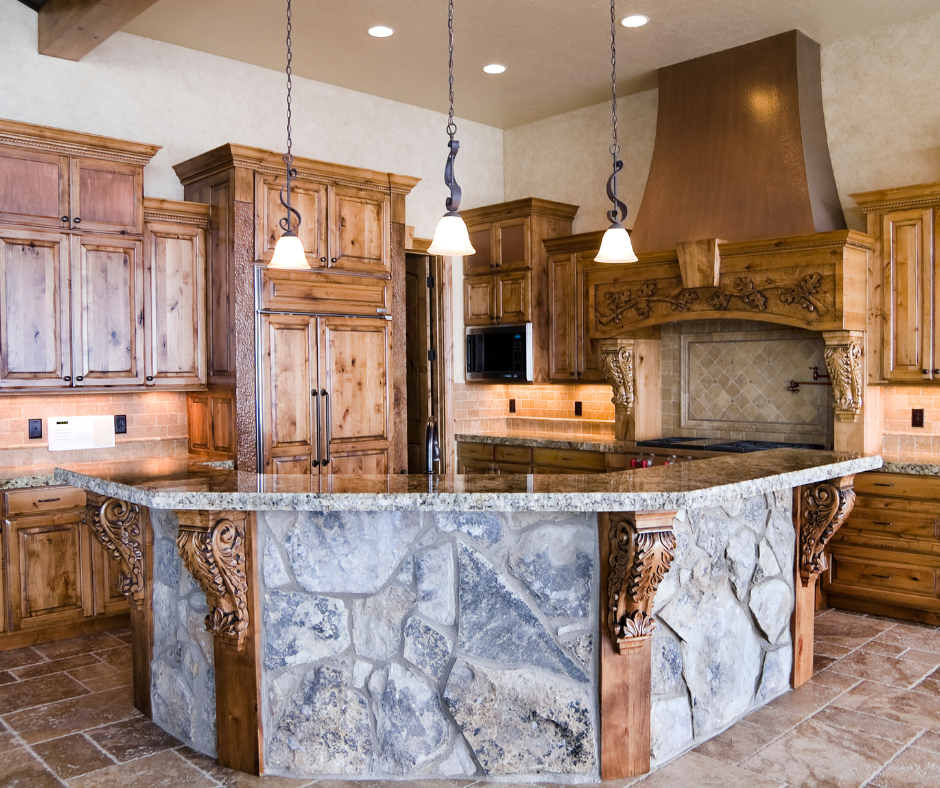
Premium countertops and cabinetry can raise costs substantially.
High-efficiency appliances contribute to both initial expenses and long-term savings.
Custom landscaping features enhance curb appeal but add to the overall investment.
Financing Options for Custom Home Construction
Understanding financing options for custom home construction is vital for prospective home builders. Various types of loans are available, including construction loans and fully custom mortgage options. The down payment requirements and prevailing interest rates can significantly impact overall building costs. Reviewing these factors helps home buyers effectively plan their budgets and make informed decisions throughout the construction process.
Types of Loans Available for Custom Home Building
When financing a custom home building project, home buyers can explore several loan options tailored to their needs. Construction loans typically cover the cost of building itself, while a permanent mortgage secures funding once the home is complete. Additionally, some lenders offer specialized programs that combine both stages, making it easier for buyers to manage finances throughout the construction process.
Understanding Down Payments and Interest Rates
Understanding down payments and interest rates is fundamental for homebuyers looking to finance a custom home construction. A down payment typically ranges from 5% to 20% of the total loan amount, depending on the type of loan and lender requirements. Higher down payments can reduce monthly mortgage payments and interest rates, thereby offering long-term savings for buyers.

Determine the ideal down payment percentage based on personal financial situation.
Consider how down payments impact monthly payments and total interest over time.
Research various lenders to find favorable interest rates suitable for the custom home loan.
How Financing Affects Overall Building Costs
Financing plays a significant role in shaping the overall costs of building a custom home. Factors such as interest rates and the down payment required can affect monthly payments and the total amount paid over time. For instance, securing a lower interest rate can lead to considerable savings over the life of the loan, allowing homebuyers to allocate more of their budget toward construction quality and finishing touches, ultimately enhancing the home's value and experience.
Real-Life Examples of Custom Home Costs
This section presents real-life examples of custom home costs to offer practical insights for prospective homebuilders. It includes case studies of custom home projects in various areas, highlighting budgeting tips from recent builders and lessons learned from actual homebuyers. These insights aim to provide a clearer understanding of financial planning for custom home construction.
Case Studies of Custom Home Projects in Your Area
In examining case studies of custom home projects, home builders have found valuable insights by analyzing costs and design choices specific to their local area. For instance, a family in the suburbs of Atlanta constructed a 3,000-square-foot home, facing expenses around $450,000, which included premium materials and energy-efficient appliances. Another example involves a couple in rural Ohio, who built a smaller, 2,000-square-foot home for approximately $300,000, demonstrating how location and design choices significantly impact overall expenses.
Lessons Learned from Real Custom Home Buyers
Real custom home buyers often share valuable insights that can aid others in navigating the complex landscape of home building. Many emphasize the importance of establishing a clear budget early in the process, as unexpected costs can arise from changes in material choices or design adjustments. Understanding local regulations and the permitting process can also save time and money, helping buyers avoid potential pitfalls:

Research local building codes and permit requirements.
Communicate openly with contractors to manage expectations.
Establish a comprehensive budget to anticipate hidden costs.
Budgeting Tips from Recent Home Builders
Recent home builders emphasize the importance of detailed budgeting to manage costs effectively during the construction of a custom home. They advise prospective buyers to allocate funds for unexpected expenses, as construction projects can often exceed initial estimates due to changing materials or design modifications. Additionally, maintaining open communication with contractors throughout the building process can lead to improved transparency, helping to keep the project aligned with budgetary expectations.
Resources for Estimating Your Custom Home Costs
When estimating costs for building a custom home, various resources can assist home buyers in their planning. Tools for calculating construction costs provide insights into expected expenses. Finding reputable builders and contractors ensures quality work, while local home builders associations offer valuable networking and support. Online resources further enhance knowledge and provide up-to-date information on local market trends.
Tools for Calculating Construction Costs
When estimating costs for building a custom home, utilizing tools for calculating construction expenses can provide valuable insights. Home builders may find online calculators, budgeting software, and apps designed specifically for construction projects helpful in generating preliminary estimates. These resources allow buyers to input their specific choices for materials and finishes, providing a clearer picture of the potential financial commitments involved in their custom home journey.
Finding Reputable Builders and Contractors
Finding reputable builders and contractors is essential for anyone planning to construct a custom home. Home buyers should prioritize thorough research, seeking out reviews and recommendations from peers and local industry professionals. Engaging with builders who have a strong portfolio and clear communication practices can significantly enhance the project experience, ensuring expectations align and minimizing potential financial missteps.
Local Home Builders Associations and Online Resources
Local Home Builders Associations (HBAs) serve as invaluable resources for home buyers looking to build custom homes. They provide access to a network of reputable builders, contractors, and industry professionals, simplifying the search for qualified individuals who align with specific project needs. Additionally, these associations often offer workshops and seminars that educate potential home builders on site selection, budget planning, and current construction trends, enabling informed decision-making throughout the custom home building process.
Online resources also enhance the research capabilities of home buyers. Websites dedicated to construction insights and market analyses can offer regional cost comparisons, helping users gauge what to expect for their specific area. Utilizing these digital tools enables home buyers to remain updated on trends and gaining insights that can significantly influence their building strategies, ultimately leading to better financial outcomes and successful project execution.
Understanding the costs associated with building a custom home is essential for any prospective homebuyer. By considering factors such as materials, design, labor, and regional differences, buyers can develop a realistic budget and avoid unexpected expenses. Engaging with local market trends and resources also empowers individuals to make informed decisions during the construction process. Ultimately, this knowledge equips homebuyers to navigate the complexities of custom home building with confidence and insight.
At Ten Bears, LC, we specialize in turning your vision for a luxury lake home into a reality. Let us guide you through the process, from design to construction, to make your dream lake house truly exceptional.