Energy Efficient Building Supplies for Your Dream Home
Energy efficiency is often underestimated in home construction. Many homeowners overlook how building supplies can significantly impact their ecological footprint. This article will explore defining energy-efficient building supplies, including options like spray foam insulation and rammed earth materials. Readers will learn how to identify these supplies and understand their importance in creating a sustainable home. By the end, homeowners will have the knowledge needed to make informed decisions, potentially lowering energy costs and contributing to a healthier environment.
Key Takeaways
Energy efficient building materials significantly lower energy bills and enhance indoor comfort
Automation technologies optimize energy usage, improving overall efficiency in homes
Sustainable materials contribute to a healthier indoor environment and reduce carbon footprints
Evaluating product certifications ensures the selection of reliable energy-efficient supplies
Local suppliers committed to sustainability can provide valuable resources for construction projects
Defining Energy Efficient Building Supplies for Your Dream Home
Energy efficient building supplies are essential for creating a sustainable and comfortable home. These materials, including foam insulation and high-quality sealants, minimize heat transfer, thereby reducing the reliance on air conditioning. By ensuring proper insulation and sealing, homeowners can drastically lower energy bills and enhance the indoor environment.
Another important aspect of energy efficiency is reducing air pollution. Using products that limit air leaks prevents outdoor contaminants, including dust and allergens, from entering the home. This focus on clean air improves overall health and comfort for the occupants.
Wind resistance is also a crucial factor when selecting building materials such as Ten Bears LC. High-performance materials can withstand extreme weather, protecting the home from damage and improving energy efficiency. Implementing these energy efficient building supplies helps create a resilient structure that meets modern living standards:
Foam insulation for superior thermal performance.
Sealants to close gaps and prevent air leaks.
Air conditioning systems designed for efficiency.
Low-emission materials to minimize air pollution.
Wind-resistant supplies to protect against harsh weather.
The Importance of Energy Efficiency in Home Construction
Open floor plans and seamless outdoor transitions are the foundation for an excellent lake house entertaining experience. However, some extras can really make it stand out. Transform your lake house into the ultimate gathering place with these details.
Energy efficiency plays a significant role in home construction as it directly addresses issues related to climate change. By utilizing energy efficient building supplies, homeowners can minimize waste associated with excessive energy consumption. This approach not only conserves resources but also contributes to a healthier planet.
Incorporating materials such as insulated cement and stucco can enhance the energy efficiency of any home. These materials provide excellent thermal properties, effectively lowering heating and cooling demands. As a result, residences built with these supplies can reduce energy costs and decrease their carbon footprint.
Automation technologies further enhance energy performance by optimizing energy usage within the home. Smart systems can manage heating, cooling, and lighting, ensuring these resources are used efficiently. The integration of automation with energy efficient supplies creates a cohesive and sustainable living environment.
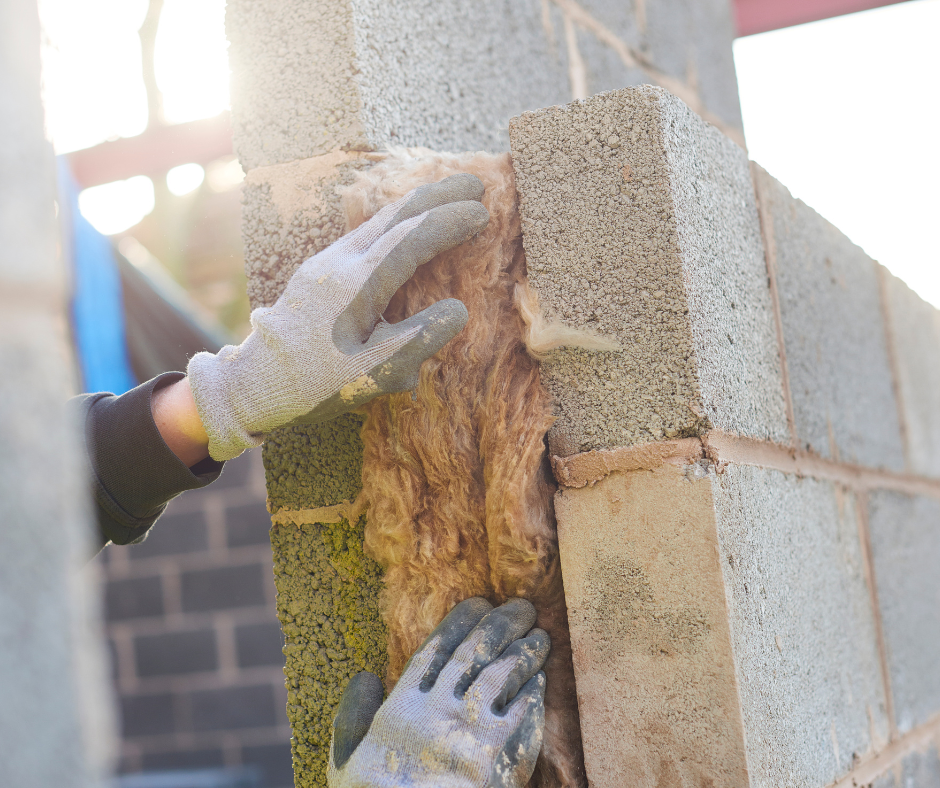
Utilization of insulated cement and stucco to improve thermal performance.
Implementation of automation technologies for efficient resource management.
Active contribution to reducing waste and combating climate change.
Identifying Energy Efficient Building Materials for Your Home
Assessing thermal performance of building materials is essential when selecting supplies for energy efficiency. Homeowners should consider coatings, such as those applied to structural insulated panels, to enhance insulation properties. Evaluating sustainability certifications of products like Portland cement and polyurethane foam reveals their environmental impact. Understanding low-impact alternatives also provides critical options that minimize the ecological footprint of new homes.
Assessing Thermal Performance of Building Materials
Assessing the thermal performance of building materials is vital for creating an energy-efficient home. Homeowners should consider materials like wool and straw for insulation, as these natural options effectively regulate temperature. Moreover, innovations in plastic composites can enhance wall insulation, further improving energy retention. Integrating home automation can optimize the use of these materials by effectively managing heating and cooling systems based on real-time data.
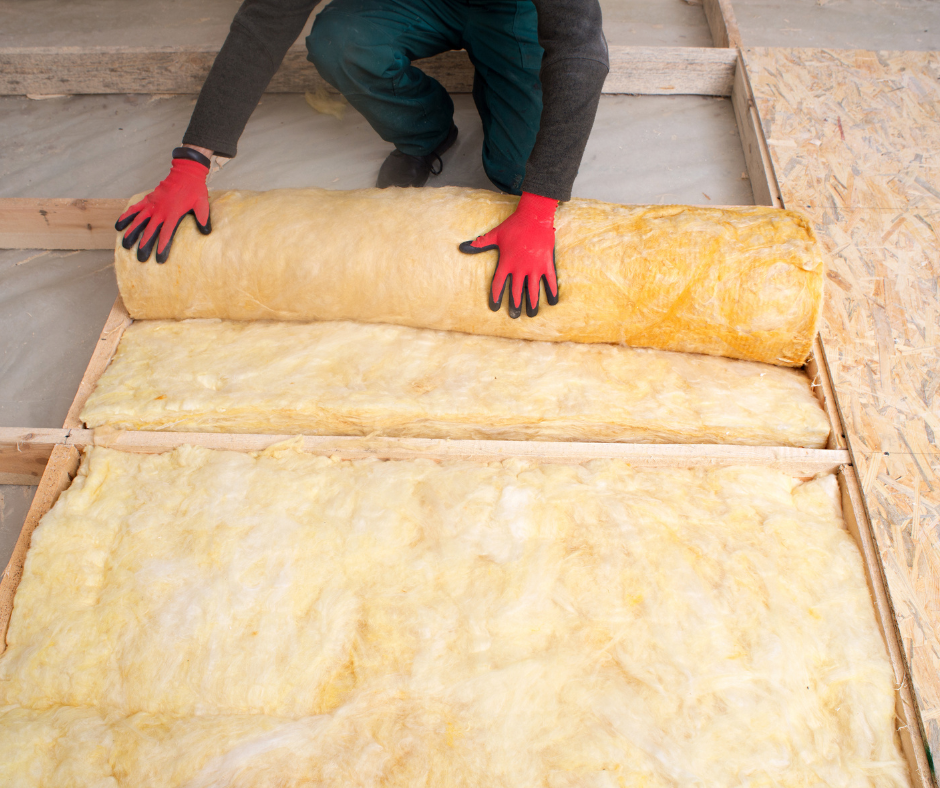
Evaluate the insulation properties of materials like wool, straw, and plastic.
Consider wall applications that enhance energy efficiency.
Integrate home automation for optimal energy management.
Evaluating Sustainability Certifications
Evaluating sustainability certifications is an important step for homeowners and architects looking to build energy-efficient homes. Products marked with energy ratings, such as Energy Star, indicate superior performance in reducing energy consumption, helping to lower utility costs while easing the impact on climate. Moreover, materials like steel can enhance structural integrity, especially when designed to maximize sunlight exposure, further contributing to the energy efficiency and longevity of a home.
Understanding Low-Impact Alternatives
Low-impact alternatives are essential components in the construction of energy-efficient homes, as they support sustainable practices while enhancing the building envelope. Utilizing materials derived from renewable resources, such as bamboo or reclaimed wood, not only reduces environmental impact but also contributes to the longevity of the structure. Additionally, choosing products that resist mold growth ensures a healthier indoor environment, addressing common concerns related to air quality and overall safety in residential spaces.
Top Energy Efficient Building Supplies You Should Consider
When selecting energy efficient building supplies for a dream home, specific materials play a crucial role in enhancing overall efficiency. Insulating materials improve energy use through effective thermal barriers, while innovative windows significantly reduce heat loss. Efficient roofing options contribute to energy conservation, and environmentally friendly flooring solutions promote sustainability. High-performance HVAC systems ensure optimal climate control, making these resources essential for any construction project
Insulating Materials for Improved Energy Use
Insulating materials, such as cellulose insulation, play a crucial role in enhancing energy efficiency in homes. By effectively maintaining thermal mass, these materials minimize the transfer of heat, reducing the need for excessive heating or cooling managed by a thermostat. As a result, homeowners can significantly decrease their carbon dioxide emissions, contributing to the fight against greenhouse gas accumulation while enjoying a more comfortable living environment.
Innovative Windows to Reduce Heat Loss
Innovative windows, constructed with materials such as fiber and bamboo, play a vital role in reducing heat loss in energy-efficient homes. These windows often comply with stringent building codes, ensuring that they provide superior insulation and help decrease the overall carbon footprint of the home. Additionally, incorporating plywood frames not only offers durability but also enhances the thermal performance of the windows, creating a more comfortable living environment.
Innovative windows made from fiber and bamboo.
Compliance with building codes for superior insulation.
Plywood frames for enhanced durability and thermal performance.
Efficient Roofing Options for Energy Conservation
Efficient roofing options are critical for energy conservation in modern homes. Materials such as reflective roofing systems can reduce heat absorption, which helps maintain cooler indoor temperatures, ultimately requiring less energy for cooling. Furthermore, integrating renewable energy solutions like solar panels into roofing designs not only contributes to reducing long-term energy costs but also minimizes pollution, reinforcing a homeowner's commitment to environmental sustainability.
Environmentally Friendly Flooring Solutions
Choosing environmentally friendly flooring solutions is essential for homeowners aiming to create a sustainable living space. Options such as bamboo and cork not only reduce reliance on natural gas but also help maintain a healthy indoor environment by minimizing harmful organic compounds. Incorporating these materials in a passive house design not only enhances the building's overall energy efficiency but also aligns with modern construction practices focused on environmental stewardship.
High-Performance HVAC Systems
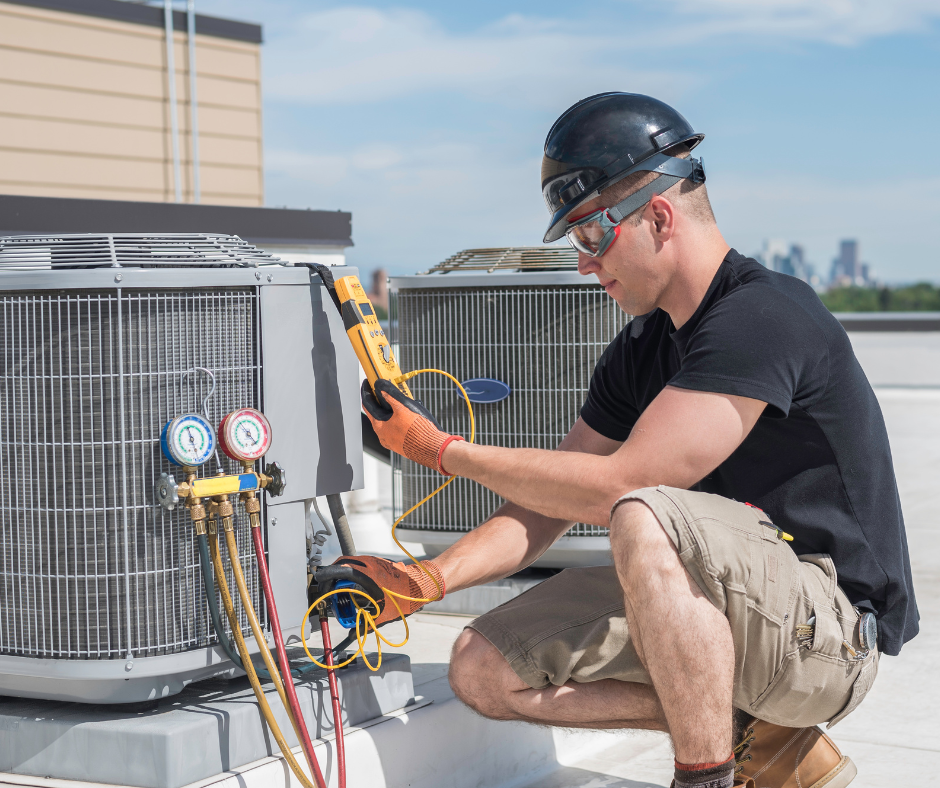
High-performance HVAC systems are essential for maintaining optimal indoor climate control in energy-efficient homes. These systems work in tandem with materials like hempcrete and polyurethane, which improve insulation and thermal mass, allowing for better regulation of heat and cool air distribution. By incorporating advanced technologies that capture radiant energy, homeowners can significantly reduce energy consumption, ensuring a comfortable living environment while also lowering utility costs.
Tips for Sourcing Energy Efficient Building Supplies
Researching local suppliers committed to sustainability is vital for sourcing energy efficient building supplies. It's essential to compare the life cycles and carbon footprints of materials, such as low emissivity glazing and clay brick. Additionally, homeowners should explore available government incentives to further enhance the eco-friendliness of their selections, ultimately minimizing landfill contributions and supporting sustainable construction practices.
Researching Local Suppliers Committed to Sustainability
Researching local suppliers committed to sustainability is essential for homeowners aiming to incorporate energy-efficient building supplies into their projects. It is beneficial to seek out companies that prioritize products with effective thermal insulation, as this reduces heat transfer and contributes to a more comfortable indoor climate. Additionally, suppliers who utilize scrap materials in their offerings often have a reduced environmental impact, promoting a more sustainable construction approach. Homeowners might also consider those suppliers offering advanced ventilation systems that optimize airflow, while being aware of infrared technologies that enhance energy efficiency in home designs.
Comparing Product Life Cycles and Carbon Footprints
When sourcing energy efficient building supplies, comparing product life cycles and carbon footprints is crucial in sustainable design and green building practices. For instance, foam insulation not only enhances energy savings in spaces like crawl spaces but also boasts lower carbon emissions during its production compared to traditional materials. Evaluating these factors not only aids in making environmentally responsible choices but also ensures that homeowners select materials that align with their energy efficiency goals for a more sustainable home.
Exploring Government Incentives for Energy Efficient Materials
Exploring available government incentives for energy-efficient materials can significantly reduce construction costs for homeowners seeking sustainable options. Programs may provide financial benefits for using composite materials, such as those made from recycled lumber, or for implementing insulation solutions like oxide-based ceiling tiles. Engaging with local and federal initiatives not only supports eco-friendly building practices but also encourages the reuse of valuable resources, paving the way for an energy-efficient home.
Common Questions About Energy Efficient Building Supplies
This section addresses key questions about energy efficient building supplies, focusing on their impact on utility bills, home value, and potential drawbacks. Topics include how materials like fiberglass and wood can enhance indoor air quality and contribute to sustainable architecture. Additionally, insights will be provided on ensuring quality and effectiveness when selecting materials, including aspects of recycling for a greener approach.
-
Energy-efficient materials significantly lower utility bills by enhancing the overall performance of a home’s heating and cooling systems. For example, proper framing techniques combined with an effective vapor barrier can prevent air leaks, ensuring that a heat pump operates at maximum efficiency. This focus on sustainability not only conserves energy but also aligns with modern interior design trends, creating spaces that are both functional and aesthetically pleasing while reducing monthly expenses.
-
Energy-efficient building supplies, such as high-quality insulation and innovative composite lumber, can significantly enhance a home's value. Features like upgraded attic insulation and eco-friendly materials, including cork flooring, not only contribute to a more sustainable living environment but also appeal to increasingly eco-conscious buyers. Homes designed with these materials often show lower carbon footprints, making them attractive in the real estate market as energy efficiency continues to be a priority for many prospective homeowners:
High-quality insulation improves energy performance.
Composite lumber increases durability and sustainability.
Enhanced attic insulation promotes temperature regulation.
Cork flooring provides eco-friendly aesthetics.
Lower carbon footprints attract eco-conscious buyers.
-
While energy-efficient building supplies offer many advantages, they may present some drawbacks that homeowners should consider. For instance, materials like radiant barriers and aluminium may require careful installation to ensure effectiveness, particularly in attics or basements where moisture control is crucial. Additionally, natural rubber can be susceptible to degradation from certain environmental factors, potentially affecting its long-term performance. Homebuyers should weigh these considerations against the benefits, such as durability and energy savings, when selecting materials like slate for roofing or flooring, which enhance the overall energy efficiency of their dream home.
-
To ensure quality and effectiveness when selecting energy-efficient building supplies, homeowners should prioritize materials with low volatile organic compounds (VOCs), as these contribute to better indoor air quality. Products like concrete and polystyrene offer significant benefits, such as reduced environmental impact and improved thermal performance, which can lower energy consumption in heating and cooling systems. It is also essential to review product certifications and third-party testing to confirm that materials meet industry standards for energy efficiency and safety, ensuring a sound investment in the long-term health of the home:
Choose materials with low VOCs for improved indoor air quality.
Consider concrete and polystyrene for thermal performance.
Review certifications and testing for energy-efficient products.
Energy-efficient building supplies are vital for crafting a sustainable and comfortable dream home. By selecting materials that improve insulation and reduce energy consumption, homeowners can significantly lower utility costs while enhancing indoor air quality. Incorporating innovative technologies and sustainable practices not only contributes to environmental preservation but also increases property value. Prioritizing these supplies leads to a resilient structure that meets modern living standards and reflects a commitment to a healthier future.
Contact Ten Bears, LC with Randy Walters here in Iowa for your custom home-building desires. Let us put your dream to reality!