
Effectively Communicating Your Design Requirements to Your Custom Home Builder
Effectively communicating design requirements to a custom home builder can significantly impact the success of your home build. Many homeowners often struggle to convey their vision, leading to confusion and unmet expectations. This article outlines key strategies for articulating your design needs, including understanding your requirements before the meeting, creating detailed design specifications, and establishing clear communication. By following these guidelines, readers will learn to manage expectations and ensure their dream home reflects their pride while avoiding common pitfalls in custom home construction. Visit tenbearslc.com for more insights on building the perfect stairs and spaces for your family.
Key Takeaways
Identifying must-haves and nice-to-haves ensures effective communication with the builder
Using design mood boards helps express personal visions clearly to custom home builders
Regular meetings foster collaboration and transparency throughout the building process
Establishing a realistic budget aligns expectations and prevents misunderstandings
Adapting to challenges ensures the final design meets the homeowner's needs and vision
Understanding Your Design Requirements Before Meeting Your Builder
Identifying essential elements, such as must-haves and nice-to-haves, sets the foundation for a successful collaboration with a subcontractor from tenbearslc.com. Utilizing design mood boards can help convey personal visions, while clearly defining architectural style preferences establishes a clear concept. Additionally, setting a realistic budget and detailing functional needs will ensure effective communication of design requirements in the journey of building custom homes.
Identifying Your Must-Haves and Nice-to-Haves

Identifying must-haves and nice-to-haves is crucial for effective communication with a custom home builder. Must-haves may include elements like sustainability features, cabinetry selections, and specific tile styles that reflect personal preferences, while nice-to-haves are additional elements that enhance the living experience but are not essential. By clearly distinguishing these priorities when discussing the blueprint, homeowners can ensure their vision aligns with the builder's approach, promoting longevity and satisfaction in their custom home project.
Boat Storage and Dock Solutions
For lakefront homes in the Iowa Great Lakes, having a safe, secure, and easily accessible place to store your boat is a necessity. A boathouse or specialized boat storage area can ensure your boat stays in top condition year-round while being easily accessible when you're ready for a day out on the water. Boat storage options can include boat lifts, covered docks, or even a more enclosed boathouse.
For homeowners who enjoy water sports or fishing, incorporating a private dock or boat slip is a must. These spaces can be designed to match your property’s aesthetic while providing a convenient way to dock your boat when you’re not out enjoying the water. Plus, a dock provides easy access to the lake for swimming, fishing, or launching kayaks and paddleboards.
Pro Tip: For those who prefer a streamlined look, you can opt for an integrated boathouse with a roof deck for additional outdoor living space, offering a place to relax while keeping your boat out of the elements.
Utilizing Design Mood Boards to Express Your Vision
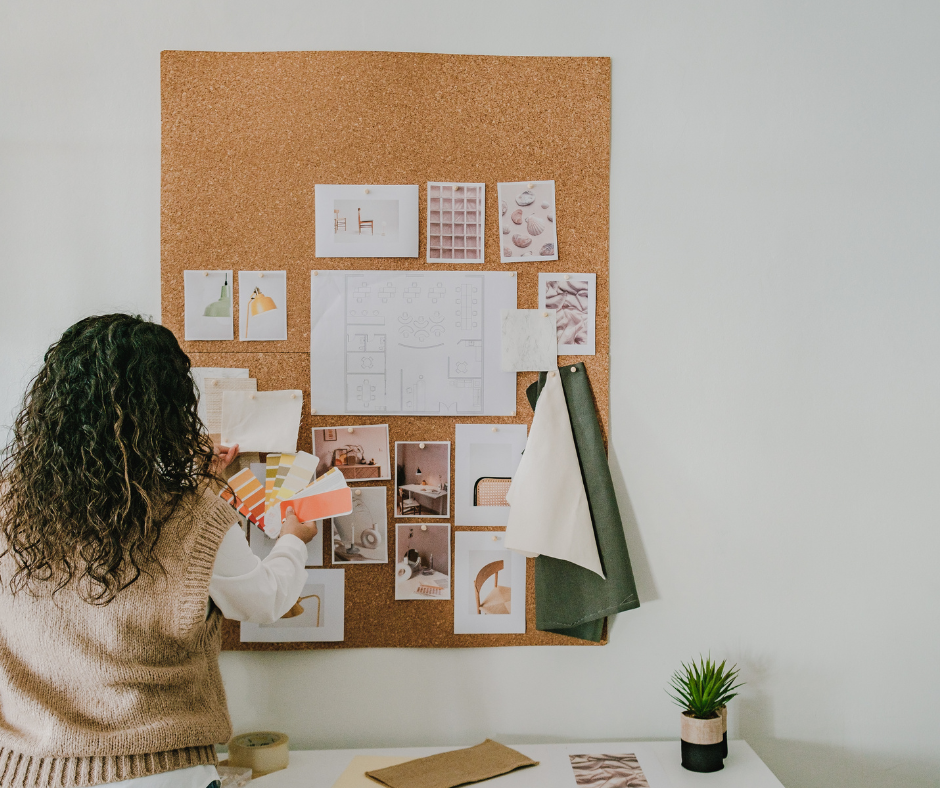
Utilizing design mood boards offers homeowners a powerful tool to express their vision to custom home builders effectively. These visual representations encapsulate the desired aesthetic, lifestyle, and functionality, enabling clearer communication about choices such as color schemes, textures, and materials that prioritize both efficiency and durability. By presenting a well-crafted mood board, clients help builders understand their specific project management needs, ultimately leading to a smoother collaboration and a home that accurately reflects their aspirations while maintaining the builder's reputation for quality work.
Defining Your Style Preferences and Inspirations
Defining style preferences and inspirations is fundamental for homeowners aiming to communicate effectively with their custom home builders. By identifying elements such as preferred lighting types, basement configurations, and overall aesthetics, clients can provide builders with a specific direction while ensuring transparency in the design process. This attention to detail not only contributes to a harmonious working relationship but also allows the builder to leverage their license and expertise to realize the homeowner's vision.
Establishing a Realistic Budget for Your Project
Establishing a realistic budget for a custom home project is essential for effective collaboration with a custom home builder. Homeowners should consider all costs associated with design services, materials, and labor while identifying personalization options that enhance their vision. Engaging with an architect early in the process can further streamline budgeting discussions and lead to a clearer contract that reflects the homeowner's aspirations without exceeding financial limits.
Clarifying Functional Needs for Your Custom Home
Clarifying functional needs is a critical step in customizing a home, as it encompasses aspects like ceiling height, use of spaces, and overall design complexity. Homeowners must consider how different areas will serve their daily activities, especially in relation to climate and general lifestyle preferences. By identifying these functional requirements, clients can partner effectively with home builders to create a cohesive plan that meets their specific needs and enhances their overall living experience.
Establishing Clear Communication with Your Custom Home Builder
Effective communication is vital during the custom home building process. Setting up initial meetings allows homeowners to share essential design ideas and clarify expectations. Utilizing visual aids, asking informed questions about bathroom layouts and regulations, and maintaining open lines of communication ensure alignment. Scheduling regular check-ins throughout the project allows for adjustments and reinforces collaboration with custom home builders on the chosen lot.
Setting Up Initial Meetings and Discussions

Setting up initial meetings and discussions is a fundamental step in the home construction process, as it allows homeowners to articulate their expectations and design requirements to their custom builder. During these sessions, it is crucial to discuss specific features, such as the placement and design of a shower or the integration of structural beams, to ensure they align with the envisioned plan. Engaging in open dialogue enables homeowners to benefit from the expertise of their builder, fostering a collaborative environment that ultimately enhances the project's success.
Using Visual Aids to Convey Design Ideas
Using visual aids is an effective method for homeowners to convey their design ideas during the custom home building process. Materials such as sketches, mood boards, photos, and samples of countertops can help production builders visualize concepts and preferences for each room. Clear visuals eliminate ambiguity and foster better understanding, especially when discussing essential elements like functionality and style, ultimately leading to a more aligned project outcome.
Asking the Right Questions About the Building Process
Asking the right questions about the building process engages homeowners in meaningful dialogue with their custom home builder and general contractor. Inquiries regarding building codes, timelines, and construction materials not only clarify expectations but also ensure compliance with regulations. For instance, discussing the optimal floor plan early on can help identify potential challenges and streamline the overall process, allowing for a smoother and more efficient project execution.
Maintaining Open Lines of Communication
Maintaining open lines of communication with a custom home builder is essential for successful interior design collaboration. Regular discussions about preferences—such as wood choices for kitchen cabinets—enable customers to clarify their vision and ensure that the builder understands their specific requirements. This proactive approach not only prevents misunderstandings but also fosters a partnership that allows for adjustments and refinements throughout the construction process, ultimately leading to a home that aligns perfectly with the homeowner's desires.
Scheduling Regular Check-Ins Throughout the Project
Scheduling regular check-ins throughout the project is crucial for maintaining transparency and ensuring customer satisfaction in a construction home. These meetings allow homeowners to discuss any updates related to the floor plan, address concerns with their contractor, and make necessary adjustments to the renovation as it progresses. By fostering consistent communication, clients can feel confident that their design requirements are being understood and implemented effectively, ultimately leading to a successful custom home experience.
Creating Detailed Design Specifications and Documents
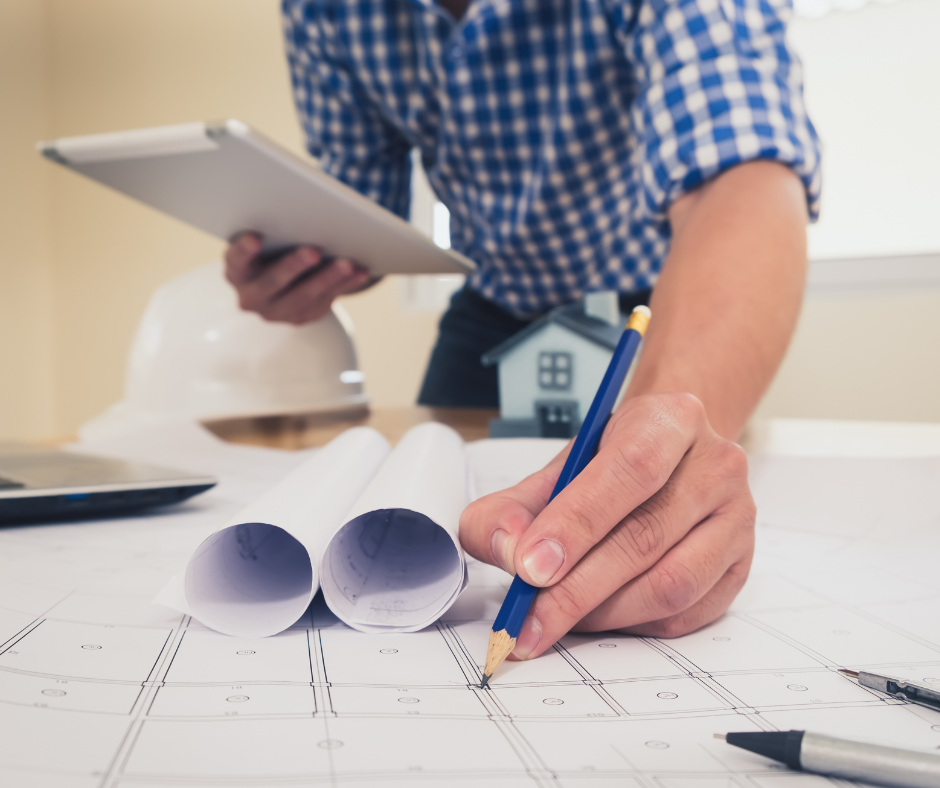
Creating detailed design specifications and documents plays a vital role in the custom home building process. This includes utilizing architectural drawings and blueprints to illustrate the layout, compiling a comprehensive design brief that outlines all essential details, and including material and finish specifications for clarity. Establishing timelines and milestones ensures the project stays on track, while documenting design changes and approvals fosters effective communication throughout the collaboration with the builder.
Utilizing Architectural Drawings and Blueprints
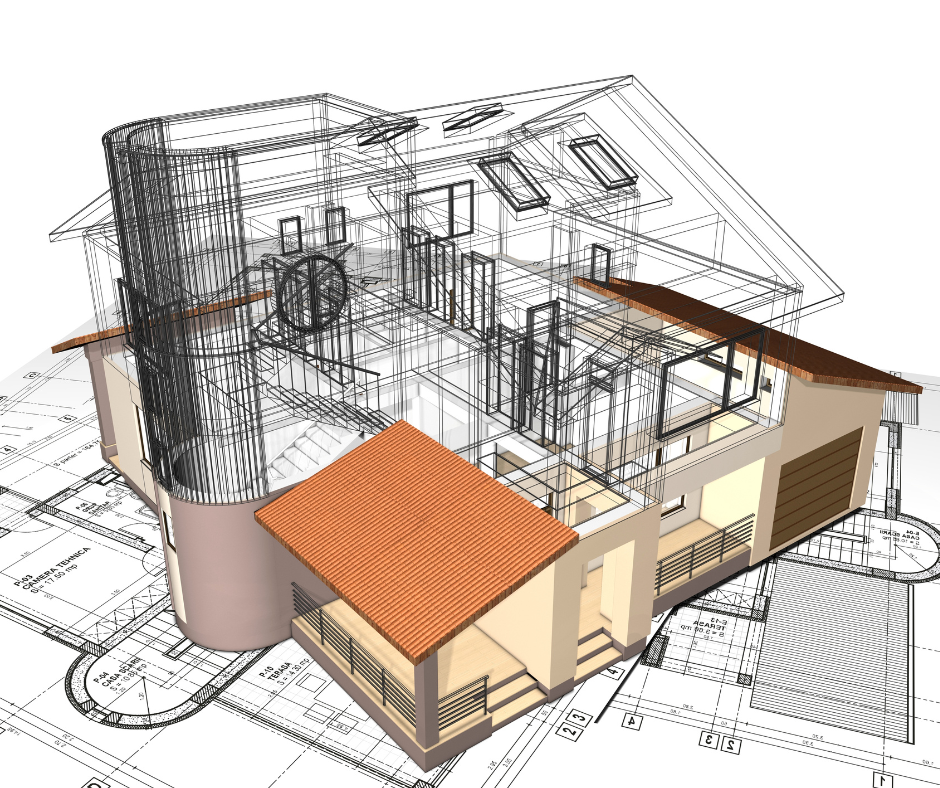
Utilizing architectural drawings and blueprints is essential for conveying design requirements to a custom home builder. These visual documents provide precise representations of spatial layouts, dimensions, and intended functionalities, ensuring that every aspect aligns with the homeowner's vision. Clear, detailed blueprints help reduce miscommunications, allowing builders to efficiently execute plans while adhering to the specified architectural style and design features agreed upon in the initial discussions.
Compiling a Comprehensive Design Brief
Compiling a comprehensive design brief is crucial for ensuring that a custom home builder fully understands a homeowner's vision and requirements. This document should encompass essential details such as design preferences, required materials, and any specific features desired. By providing this organized information, homeowners can minimize misunderstandings, allowing builders to effectively translate their aspirations into a well-executed plan.
Including Material and Finish Specifications
Including material and finish specifications is a critical aspect of effectively communicating design requirements to a custom home builder. By detailing specific materials for flooring, cabinetry, countertops, and fixtures, homeowners not only provide clarity but also help align their expectations with the builder's capabilities. For example, specifying a particular tile type or wood finish can guide the builder in sourcing appropriate materials, ensuring that the final result reflects the homeowner's vision while maintaining quality and durability throughout the project.
Establishing Timelines and Milestones
Establishing timelines and milestones is essential for managing the custom home building process. Homeowners should collaborate closely with their builder to outline key phases, including design completion, permit acquisition, and construction milestones. By setting these benchmarks, clients can maintain oversight of progress and ensure necessary adjustments are made promptly, resulting in a smoother experience throughout the project.
Documenting Design Changes and Approvals
Documenting design changes and approvals is vital in the custom home building process. This practice ensures that all modifications are clearly recorded and understood by both the homeowner and the builder, preventing potential misunderstandings. Utilizing tools such as design change logs or digital project management platforms can streamline this documentation, making it easy to track all changes, confirm approvals, and maintain a clear record throughout the construction journey.
Utilizing Technology for Better Communication
Implementing technology can significantly enhance communication between homeowners and custom home builders. Tools such as design software and apps facilitate collaboration, while virtual reality offers a unique way to visualize design concepts. Online platforms provide project updates, and video calls enable effective remote discussions. Additionally, cloud storage ensures easy access to shared documents, streamlining the overall process.
Implementing Design Software and Apps for Collaboration
Implementing design software and apps for collaboration simplifies the communication process between homeowners and custom home builders. These tools allow clients to share their ideas visually, making it easier to align expectations and preferences. By utilizing features such as 3D modeling and real-time updates, homeowners can actively engage in the design process, ensuring their requirements are accurately represented and understood throughout construction.
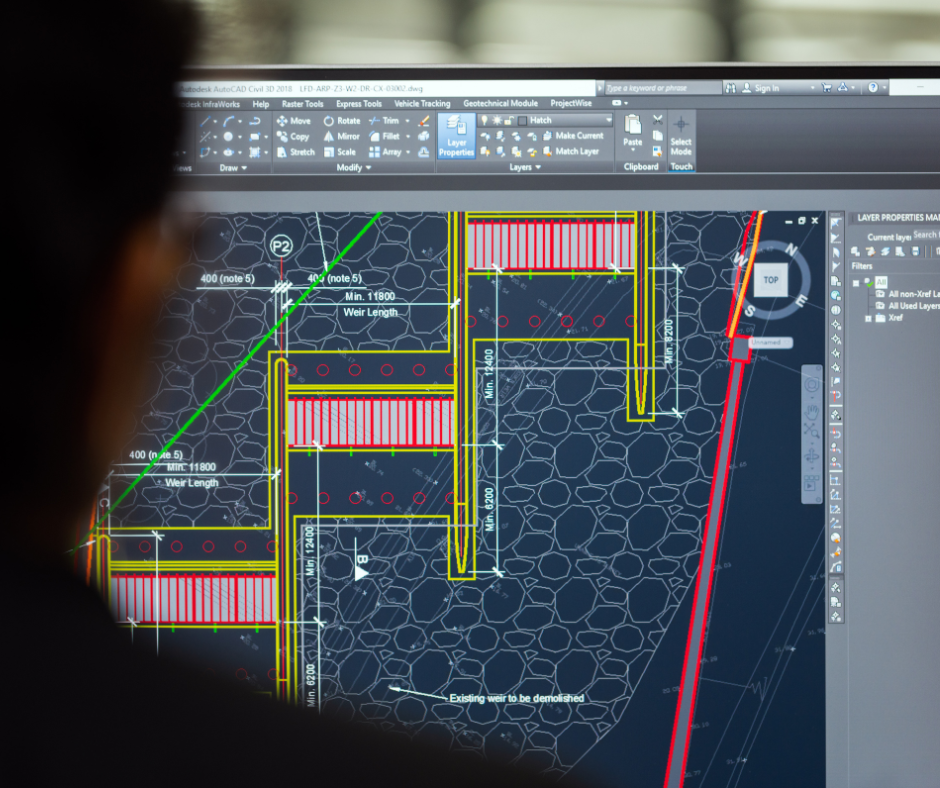
Enhances visual communication of design concepts.
Facilitates real-time collaboration on project updates.
Improves alignment between homeowners and builders.
Using Virtual Reality to Visualize Designs
Using virtual reality (VR) technology allows homeowners to visualize their designs in a realistic, immersive environment. This tool not only helps clients better understand spatial relationships within their intended custom homes but also fosters meaningful dialogue with builders about necessary adjustments. By incorporating VR into the design process, homeowners can ensure that their specific requirements are clearly communicated and align with the overall project vision.

Enhances understanding of spatial dynamics and proportions.
Facilitates discussions on design modifications before construction.
Promotes confident decision-making about layout and aesthetics.
Exploring Online Platforms for Project Updates
Exploring online platforms for project updates enhances communication between homeowners and custom home builders by providing a centralized space for sharing information. These platforms allow clients to track progress, view construction timelines, and access important documents in real-time, ensuring they remain informed throughout the building process. By utilizing such tools, homeowners can address concerns promptly, fostering a collaborative environment that leads to a successful realization of their design requirements.
Leveraging Video Calls for Remote Discussions
Leveraging video calls for remote discussions provides a practical solution for homeowners to communicate their design requirements effectively with custom home builders. This technology allows for real-time visual engagement, enabling homeowners to share ideas, review plans, and discuss intricate details without geographical constraints. By utilizing video calls, clients can ensure their vision is accurately understood, fostering a collaborative dialogue that aligns expectations and enhances the overall efficiency of the home-building process.
Utilizing Cloud Storage for Shared Documents
Utilizing cloud storage for shared documents plays a significant role in enhancing communication between homeowners and custom home builders. By storing project files, design specifications, and updates in a centralized digital location, both parties can access essential information anytime, promoting transparency and collaboration. This practice not only minimizes the risk of miscommunication but also ensures that everyone involved is on the same page throughout the construction process, ultimately leading to a more successful realization of the homeowner's vision.
Managing Expectations with Your Builder
Managing expectations with a custom home builder involves several key components. It is essential to discuss potential challenges and solutions early on, fostering an understanding of the builder’s design process and workflows. Aligning on changes and establishing a feedback loop ensures effective communication. Additionally, addressing budget concerns from the outset promotes financial clarity, while maintaining flexibility allows homeowners to adjust without losing sight of their original goals.
Discussing Potential Challenges and Solutions
Discussing potential challenges and solutions with a custom home builder is an integral part of managing expectations. Homeowners should proactively address any design aspects that may pose difficulties, such as site limitations, zoning regulations, or specific material availability. By collaborating on solutions and openly communicating these potential roadblocks early in the process, builders and clients can create a more realistic renovation timeline, ensuring that the project progresses smoothly and remains aligned with the homeowner’s vision.
Understanding the Builder’s Design Process and Workflows
Understanding a builder's design process and workflows is crucial for homeowners aiming to achieve a successful collaboration during their custom home project. Each builder may have unique methods for finalizing designs, securing permits, and executing construction phases. By gaining insight into these workflows, clients can align their expectations and timelines with the builder, ensuring that any design requirements are communicated effectively, resulting in a more streamlined and harmonious building experience.
Aligning on Changes and Feedback Loop
Aligning on changes throughout the custom home building process is essential for maintaining a constructive feedback loop between homeowners and builders. Regularly scheduled discussions allow homeowners to communicate any design adjustments or preferences while builders can provide insights into feasibility and potential impacts. This dynamic interaction not only fosters a collaborative relationship but also ensures that all parties are aligned on expectations, ultimately leading to a successful realization of the homeowner's vision.
Addressing Budget Concerns Early in the Process
Addressing budget concerns early in the custom home building process is essential for ensuring that homeowners and builders are aligned from the outset. By openly discussing financial limits and identifying key design elements within those constraints, homeowners can help builders tailor their approach to meet both aesthetic and practical requirements. This proactive strategy not only minimizes potential misunderstandings but also fosters a sense of trust, enabling both parties to work collaboratively towards a successful completion of the project.
Maintaining Flexibility While Sticking to Original Goals
Maintaining flexibility while sticking to original goals is essential for successful communication with a custom home builder. Homeowners should be prepared to adapt their design requirements in response to practical considerations, such as budget constraints or site limitations, while ensuring their primary vision remains intact. For example, if a specific material becomes unavailable, exploring alternative options can help maintain the desired aesthetic without compromising the overall project goals:
Prepare for potential adjustment discussions with the builder.
Understand that compromises may enhance final outcomes.
Communicate clearly to balance flexibility with vision
Revamping Communication Strategies as the Project Progresses
Regularly reviewing design progress ensures alignment between homeowners and builders, allowing for necessary adjustments to be made. Evaluating builder responses to needs and adapting to unforeseen challenges fosters a proactive dialogue. Additionally, learning from feedback and celebrating successful milestones together enhances collaboration, leading to a more satisfying custom home experience.
Reviewing Design Progress Regularly
Reviewing design progress regularly is essential for maintaining clarity and alignment between homeowners and custom home builders throughout the construction process. By scheduling consistent check-ins, homeowners can discuss project updates and evaluate whether the builder is meeting the established design requirements. This proactive approach not only allows for timely adjustments but also reinforces collaboration, ensuring that the final result aligns closely with the homeowner’s vision for their custom home.
Evaluating Builder Responses to Your Needs
Evaluating builder responses to homeowners' needs is essential for ensuring that design requirements are effectively met throughout the custom home building process. Homeowners should pay close attention to how well builders address feedback, recommend solutions, and align with the established vision. For instance, if a proposed layout change does not fully embrace the homeowner's preferences, it's vital to revisit the conversation, clarify expectations, and encourage builders to present alternatives that are in harmony with the original design goals.
Adapting to Unforeseen Challenges and Changes
Adapting to unforeseen challenges and changes during the custom home building process requires open communication between homeowners and builders. Regularly updating each other fosters collaboration in addressing issues that arise, such as delays in material delivery or changes in site conditions. By staying flexible and willing to discuss potential adjustments, homeowners can ensure their design requirements remain aligned with the builder's capabilities, ultimately leading to a successful project outcome:
Maintain open lines of communication.
Regularly assess progress and setbacks.
Discuss alternatives and solutions proactively.
Recognize and respond to changes in site conditions.
Learning From Feedback and Experiences
Learning from feedback and experiences is essential for homeowners collaborating with custom home builders. Constructive communication throughout the building process allows clients to reflect on both successes and challenges, which leads to improved design decisions. For instance, if a particular layout is not functioning as envisioned, discussing these issues openly with the builder enables adjustments that better meet the homeowner's needs and enhances overall satisfaction with the final product:
Homeowners share insights and experiences from previous stages.
Builders adapt designs based on ongoing feedback and observations.
Adjustments are made to ensure alignment with original design visions
Celebrating Successful Milestones Together
Celebrating successful milestones together is a vital aspect of maintaining a positive relationship between homeowners and custom home builders. Acknowledging achievements, such as completing the foundation or finalizing design details, fosters a sense of teamwork and shared purpose. This practice not only reinforces effective communication and collaboration but also motivates both parties to remain engaged throughout the construction process, ultimately enhancing satisfaction with the overall project outcome.
Effectively communicating design requirements to a custom home builder is essential for ensuring successful collaboration throughout the construction process. Homeowners must clearly identify their must-haves and nice-to-haves, utilize visual aids, and establish a realistic budget to express their visions accurately. Regular check-ins and open dialogue allow for adjustments and foster a cooperative relationship that enhances satisfaction with the final outcome. By prioritizing communication, homeowners can transform their aspirations into reality, resulting in a custom home that truly reflects their lifestyle and preferences.